
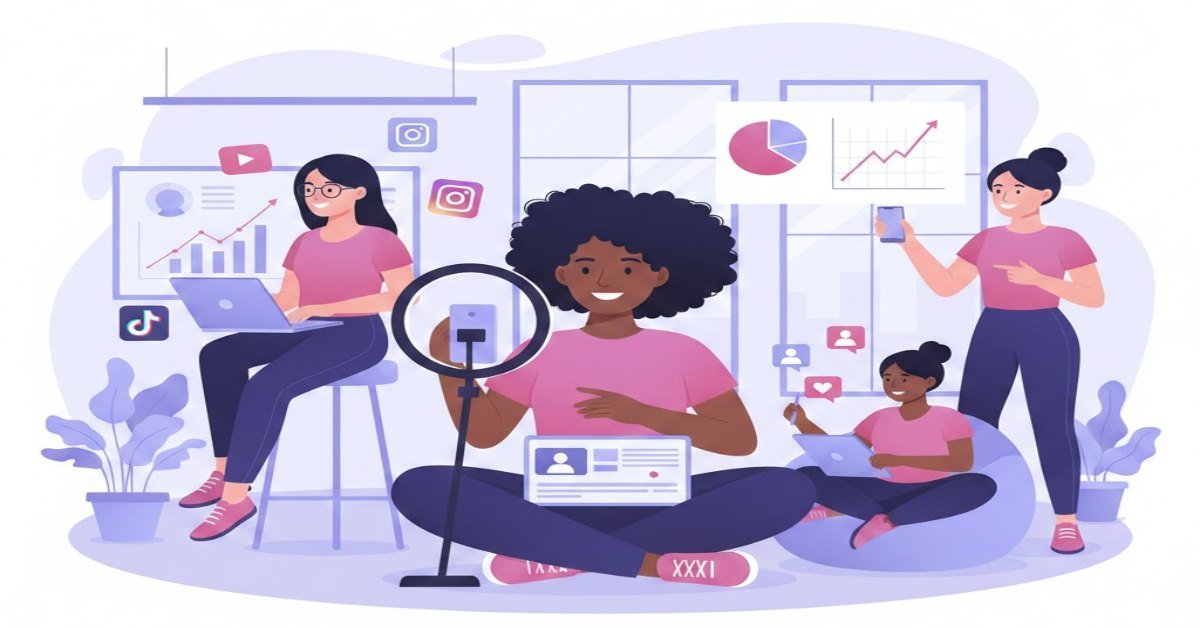
“Internet chicks” started as casual slang for women who spend a lot of time online, but in 2025 it usually refers to women who have turned the internet into a serious engine for attention, income, and influence. Today, these creators, entrepreneurs, and entertainers are reshaping digital culture on platforms like Instagram, TikTok, YouTube, Twitch, X, and blogs. This guide explains who “internet chicks” really are, how they make money, and what it actually takes to succeed in this space.
Table of contents
- What Does “Internet Chicks” Mean Today?
- Types of Internet Chicks in 2025
- How Internet Chicks Make Money Online
- Why Internet Chicks Matter in Digital Culture
- The Challenges Behind the Highlight Reel
- How to Become an Internet Chick the Smart Way
- Frequently Asked Questions About Internet Chicks
- Conclusion: Beyond the Meme, Internet Chicks Are Builders
What Does “Internet Chicks” Mean Today?
The meaning of “internet chicks” has changed a lot from its early days. It used to be a throwaway term for girls who posted selfies or went viral once in a while. Now, it’s more often used (sometimes respectfully, sometimes not) to describe women who:
- Build a clear online persona or personal brand
- Attract followers and community, not just random views
- Use digital platforms to earn real money or promote businesses
- Influence trends in style, gaming, tech, finance, lifestyle, and culture
In other words, an “internet chick” in 2025 isn’t just “online a lot.” She’s using the internet as a main stage for visibility, creativity, and business.
Types of Internet Chicks in 2025
Not all “internet chicks” are doing the same thing. Many fall into a few broad categories, often overlapping.
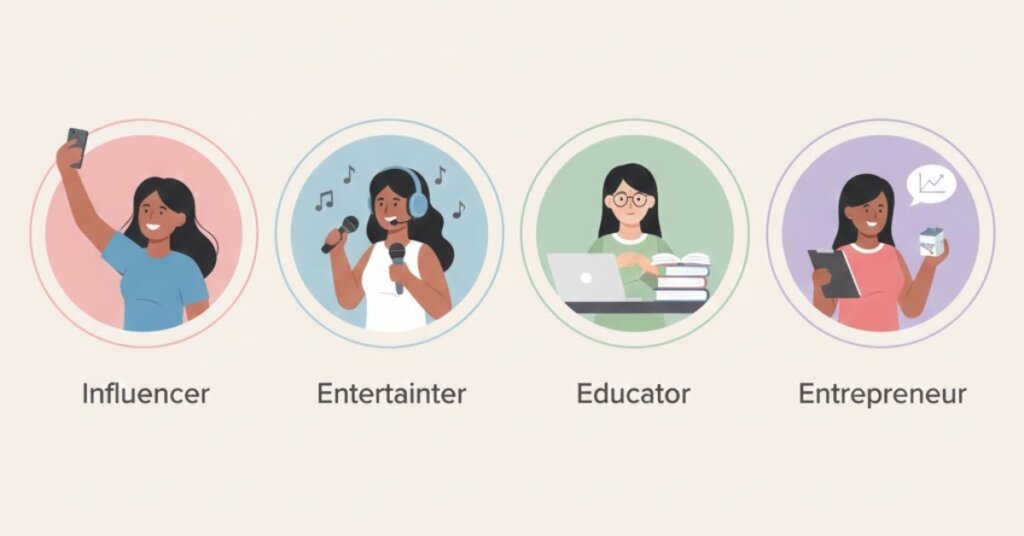
Influencers and Lifestyle Creators
These are women who share content around:
- Fashion, beauty, and skincare
- Fitness, wellness, and nutrition
- Travel, luxury, or “day in my life” vlogs
- Home decor, productivity, or routines
They often earn by promoting brands, posting sponsored content, and sharing affiliate links. Their power comes from trust: their audience likes their taste and feels personally connected.
Entertainers and Performers
These women focus on pure entertainment, for example:
- Comedy skits and memes
- Music covers, original songs, or dance
- Gaming streams and esports commentary
- Storytime videos, reaction content, roleplay
They typically earn from platform ad revenue, livestream donations, subscriptions, sponsorships, and sometimes live or virtual events.
Educators and Experts
This group uses the “internet chick” persona to teach:
- Personal finance, budgeting, and side hustles
- Investing, crypto, or business basics
- Tech, coding, marketing, or design
- Study tips, career advice, and interview skills
- Fitness programming or mental health education
Their content is more “how-to” than “look at me.” Monetization often includes digital courses, consulting, books, workshops, and membership communities.
Entrepreneurs and Brand Builders
Some women treat their online presence as a launchpad for products:
- Clothing lines, jewelry, or accessory brands
- Skincare, cosmetics, or wellness products
- Digital products (templates, presets, tools, apps)
- Agencies, coaching programs, SaaS products
They might start as influencers, then slowly shift focus from other brands to their own brands, turning attention into equity and long-term business.
Adult and Boundary-Pushing Content Creators
A more controversial but real category: women using:
- Subscription platforms
- Private communities
- Paywalled or suggestive content
They are still part of the “internet chicks” conversation because they leverage visibility, branding, and community, but in a more sensitive niche that raises debates about exploitation, empowerment, and online safety.
How Internet Chicks Make Money Online
Most serious “internet chicks” in 2025 are part of the creator economy. Instead of just posting for fun, they layer several income streams:
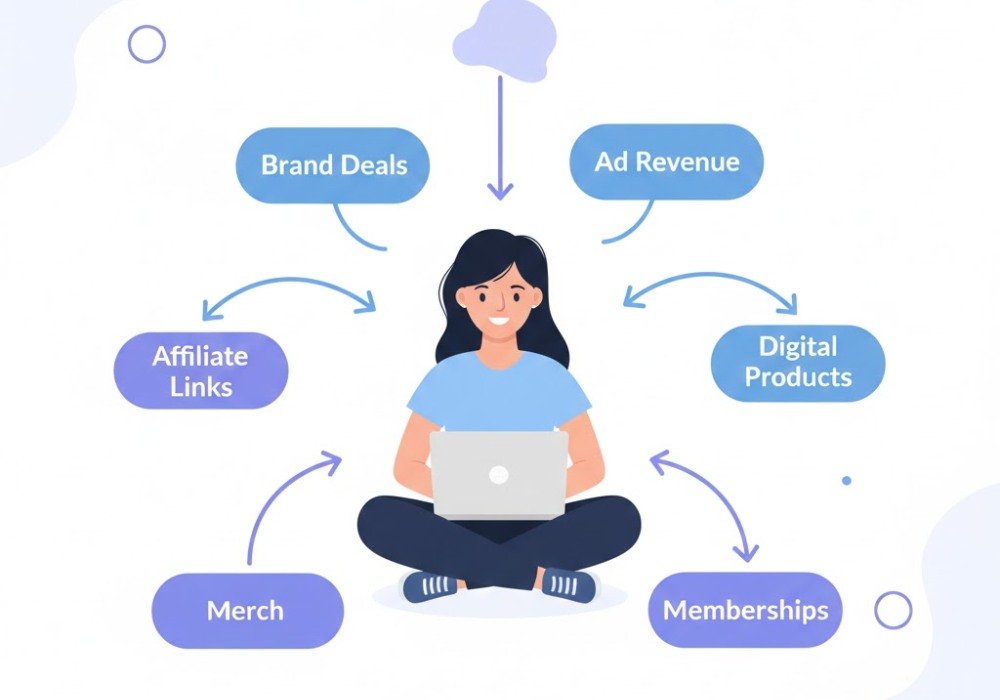
1. Brand Deals and Sponsorships
- Paid posts on Instagram, TikTok, or YouTube
- Long-term ambassadorships with brands
- Sponsored segments in videos, streams, or newsletters
Rates are usually based on audience size, engagement, niche, and how strong their influence is.
2. Ad Revenue and Platform Monetization
- YouTube ads
- TikTok or Reels bonus programs (where available)
- Podcast ads or mid-roll sponsorships
- Banner ads on blogs/websites
This income is usually volatile and depends heavily on views, CPMs, and algorithm changes.
3. Affiliate Marketing
- Using trackable links to Amazon , fashion sites, software tools, or course platforms
- Earning a percentage every time someone buys through their link
Done well, this can become semi-passive, especially when content ranks in search and brings ongoing clicks.
4. Digital Products and Services
Popular examples:
- Ebooks, guides, and templates
- Presets, overlays, filters, and design packs
- Online courses and cohort programs
- 1:1 coaching, consulting, audits, and live workshops
These offer higher margins because there’s no inventory or shipping.
5. Physical Products and Merch
- Branded hoodies, T‑shirts, mugs, stationery
- Co-branded product collaborations with existing companies
- Full standalone product lines
This is more complex (manufacturing, shipping, returns) but helps build a true brand beyond one platform.
6. Fan Support and Memberships
- Patreon, Ko-fi, channel memberships
- Paid private communities (Discord, Circle, Slack)
- Exclusive content for supporters
This stabilizes income by converting casual followers into paying superfans.
Why Internet Chicks Matter in Digital Culture
The rise of “internet chicks” shows big structural shifts in how influence and opportunity work.
Breaking Old Gatekeepers
Previously, you needed:
- TV producers for screen time
- Labels for music
- Agencies for modeling
- Publishers for books
Now, one person with a smartphone can build an audience from zero, publish directly to millions, and negotiate deals on her own terms.
Broader Representation
Traditional media usually pushed very narrow beauty and lifestyle standards. Online, audiences can find:
- Different body types, ethnicities, genders, and styles
- Realistic lifestyles instead of only hyper-luxury
- Creators from smaller cities and lower-income backgrounds
This doesn’t mean the internet is perfect—but it does mean more people can see themselves in the media they consume.
The Power of Micro-Communities
A creator with 30,000 loyal followers can:
- Sell out a product launch
- Drive meaningful charity campaigns
- Create a sustainable full-time income
The new power is not only about follower count, but about depth of connection and trust.
Personal Brand as an Asset
For many “internet chicks”, the biggest asset isn’t one platform or one product—it’s their personal brand:
- People trust them, not just the content format
- They can move from TikTok to YouTube to email and still keep followers
- They can pivot from fashion to business education and still be listened to
That brand is portable and can outlast any algorithm.
The Challenges Behind the Highlight Reel
The lifestyle looks glamorous, but there are real downsides.
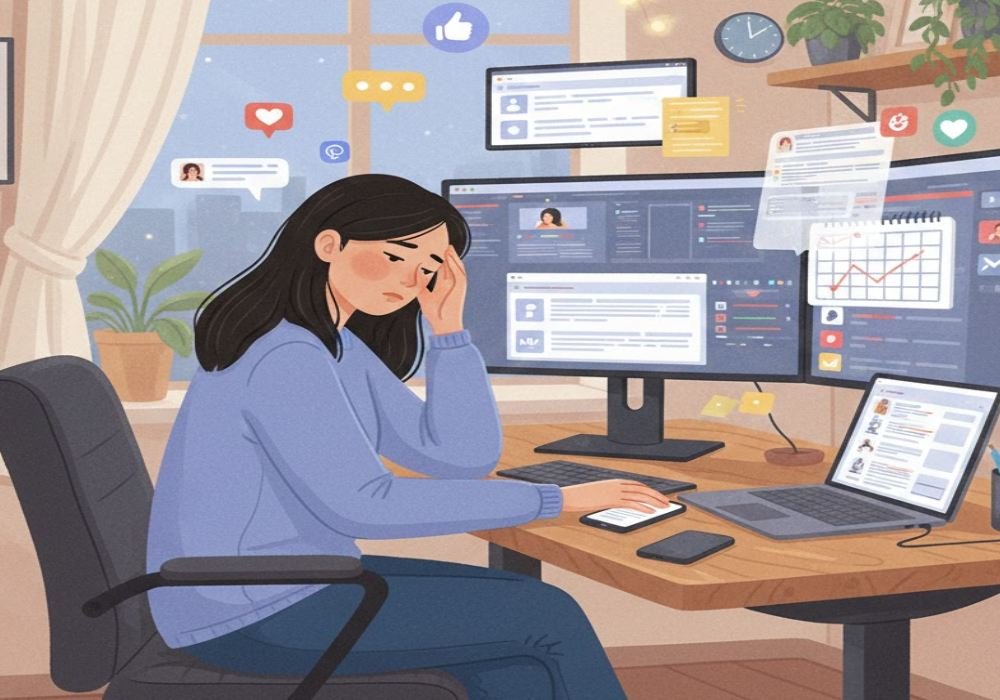
Constant Pressure and Burnout
- Need to post frequently or risk “disappearing” from feeds
- Feeling they must share more and more of their private life
- Difficulty taking breaks because income often drops when they stop posting
Many creators struggle with burnout, anxiety, and creative exhaustion.
Algorithms and Instability
- Sudden reach drops after platform changes
- Viral formats stop working
- Account bans or shadowbans can happen with little explanation
This makes income unpredictable, especially when they rely on one platform.
Harassment and Safety Concerns
Women online often deal with:
- Trolling and hate comments
- Stalking or doxxing attempts
- Unwanted messages, including explicit content
Serious creators now think about digital security, boundaries, and moderation as part of their business.
Being Copied or Imitated
- Content formats, ideas, and even aesthetics get copied quickly
- Others can ride trends a creator started without credit
To stay ahead, “internet chicks” must keep evolving and differentiating.
How to Become an Internet Chick the Smart Way
If you want to build something around this keyword for your audience, these are the core steps real creators follow.
1. Choose a Clear Niche and Persona
Ask:
- What do you want to be known for (fashion, gaming, money, fitness, mindset, etc.)?
- Who exactly are you helping or entertaining (age, interests, problems)?
- What tone fits you (funny, serious, educational, aspirational, relatable)?
Clarity here makes your content easier to follow and easier to recommend.
2. Pick 1–2 Main Platforms (Not 5)
Start where your audience hangs out:
- Visual / short video: TikTok, Instagram Reels, YouTube Shorts
- Long-form video: YouTube
- Live interaction: Twitch, YouTube Live, TikTok Live
- Written / blog SEO: WordPress blog + Pinterest
You can always expand later. At the beginning, consistency beats everywhere-at-once.
3. Focus on Value, Not Only Aesthetics
Content that grows fast usually does at least one of these:
- Educates – teaches a specific thing in simple steps
- Entertains – makes people laugh, feel, or escape
- Inspires – shows what’s possible and motivates
- Relates – makes people think “that’s so me”
Looking good or having nice edits helps, but the core is value to the viewer.
4. Protect Your Boundaries and Privacy
- Decide what parts of your life are off-limits from day one
- Use separate emails and accounts for creator work
- Avoid sharing your exact location in real time
- Use moderation tools to filter hate or harassment
Treat your online work like a business that also needs security protocols.
5. Build Email or Community Early
Platforms can change or die. To protect your work:
- Build an email list (newsletter, free guide, or resource)
- Or build a community space (Discord, private group)
This gives you a direct line to your audience if algorithms shift.
6. Diversify Income Over Time
Early on, money might come from one main source (brand deals, ad revenue, etc.). As you grow, add:
- One digital product (ebook, template, mini-course)
- One affiliate partnership you truly believe in
- Later, maybe a higher-ticket offer (coaching, consulting, premium community)
The goal is resilience: if one pillar drops, your entire business doesn’t collapse.
Frequently Asked Questions About Internet Chicks
Q: Is the term “internet chicks” disrespectful?
A: It can be, depending on tone and context. Some people use it casually or playfully; others use it to dismiss or objectify women online. In professional or serious writing, it’s usually better to say “female creators,” “women in the creator economy,” or “women building online brands.” In SEO content, you can use the term as a keyword but treat the women you describe with respect.
Q: Do you need millions of followers to make money as an internet chick?
A: No. Many full-time creators have 10,000–100,000 highly engaged followers and earn a living by combining brand deals, digital products, and fan support. Engagement and trust usually matter more than raw follower count.
Q: Is it still possible to start in 2025, or is the space too crowded?
A: It’s crowded, but not closed. New creators succeed every year by bringing unique angles, niche expertise, or strong personalities. The key is to stop copying and start adding something specific that isn’t already everywhere.
Q: Is being an “internet chick” a real job?
A: Yes. Many women treat this as a serious business, with accounting, contracts, schedules, and long-term planning. It can be unstable and demanding, but for many, it’s as real as running any small business or freelance career.
Q: What’s the biggest mistake new internet chicks make?
A: Common mistakes include chasing every trend, posting without a clear niche, underestimating the time commitment, relying on one platform, and focusing only on vanity metrics (likes, views) instead of building a loyal, targeted audience and a real business model.
Conclusion: Beyond the Meme, Internet Chicks Are Builders
Behind the meme-worthy phrase “internet chicks” are millions of women using the internet as a tool to create opportunity, income, and impact. Some entertain, some educate, some build brands, and some do a mix of everything. What they have in common is a willingness to be visible, experiment publicly, and treat attention as an asset.
If you’re turning this keyword into a blog article, focus on that reality: not just the stereotype, but the strategy, work, and business thinking behind modern female creators. That approach keeps your content both SEO-friendly and respectful, while giving readers something genuinely useful to learn from.